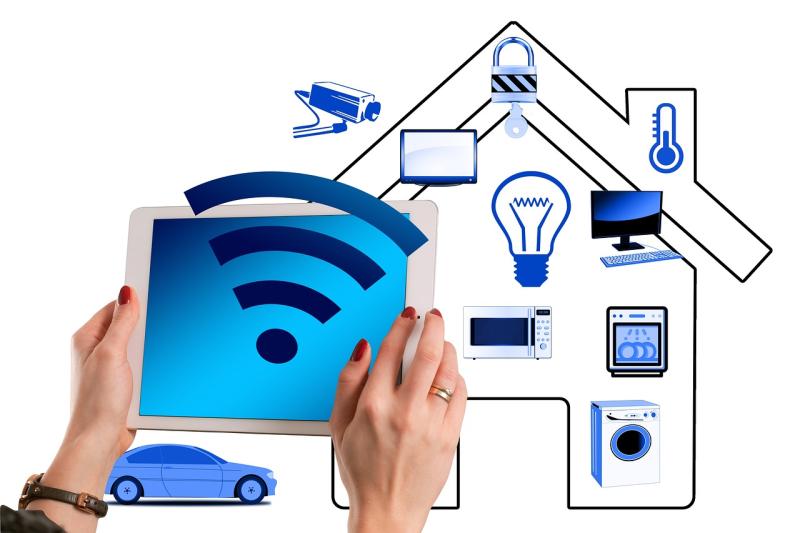
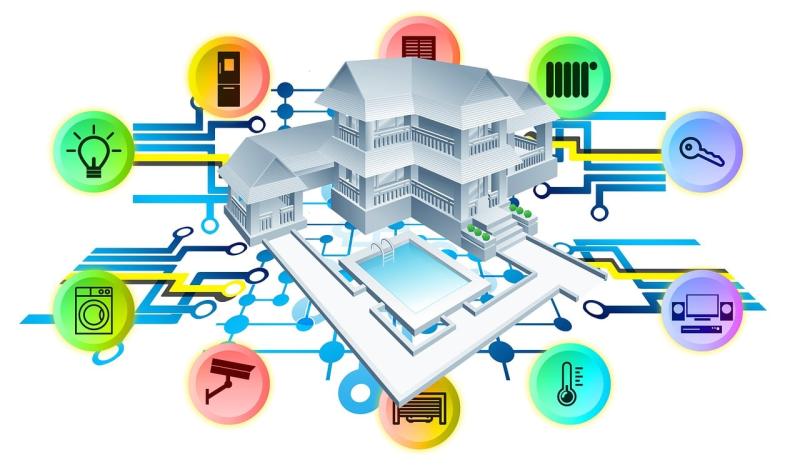
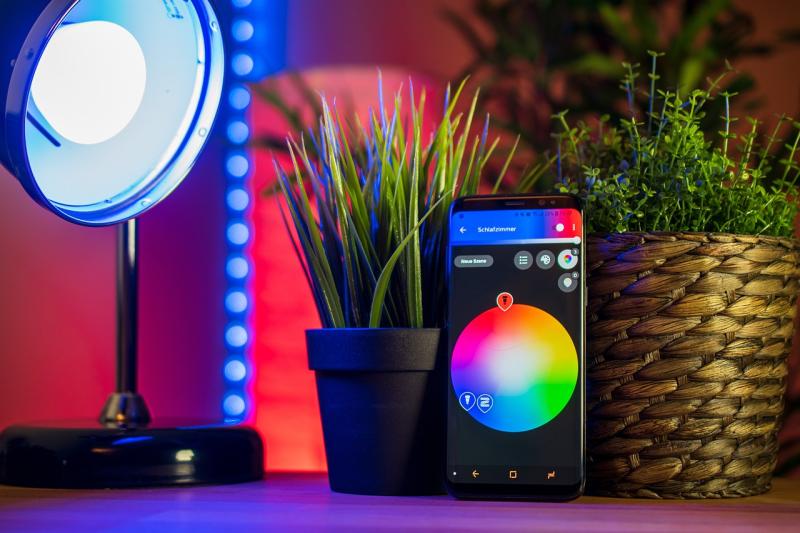
WiFi devices bring a new level of convenience to your home automation setup. Imagine controlling your lights, thermostat, and security cameras all from your smartphone, without worrying about messy wires. It’s like having a home that listens to you, and all it takes is a solid WiFi connection.
One of the best things about WiFi devices is that they’re super easy to install. You don’t need a tech degree to get them up and running. Just plug them in, connect to your WiFi, and you’re good to go. No drilling holes or dealing with cables, which means less time setting up and more time enjoying the benefits.
WiFi-enabled gadgets are also great for flexibility. You can place them anywhere in your home as long as you have WiFi coverage. Want a smart bulb in the living room and a security camera in the backyard? No problem! You won’t have to worry about running cables to reach those spots.
Plus, many WiFi devices can integrate with virtual assistants like Alexa or Google Assistant. Just say the word, and your smart home responds. Need the lights dimmed for movie night? Or the temperature to cool off before you get home? It’s all just a voice command away.
Finally, don’t forget about remote access. With WiFi devices, you can monitor and control your home from anywhere. Heading out on vacation? Check in and adjust settings right from your phone, giving you peace of mind while you’re away.
Wired Devices Offer Reliability
When it comes to home automation, wired devices are all about reliability. If you want a system that consistently works without the hassle of WiFi drops or weak signals, going wired is often the way to go. These devices connect directly to your home network through Ethernet cables, providing a solid and dependable connection.
One of the biggest perks of wired devices is their speed. They can handle data transfer quickly and efficiently, giving you a smoother experience, especially if you're using multiple devices. Whether you're streaming music, controlling your thermostat, or managing security cameras, you’ll almost never experience lag with a wired setup.
Wired devices also shine when it comes to security. Since they don’t rely on wireless signals, they’re less prone to interference from other devices or potential hacking. This is a big plus for those who value privacy and security in their smart home setup.
Another point to consider is installation. While setting up wired devices might involve some extra work, like running cables through walls or around the house, it’s usually a one-time hassle. Once everything is in place, you can enjoy a trouble-free experience, and many people find it worth the initial effort for that long-term reliability.
For those who want a dependable home automation system that won't let them down, wired devices are a strong contender. You get speed, security, and a stable connection, making daily usage seamless and hassle-free.
Speed and Connectivity Explained
When it comes to setting up your home automation, speed and connectivity play a huge role. Let’s break down the differences between WiFi and wired connections to help you decide what’s best for your setup.
WiFi devices offer fantastic convenience. You can place them anywhere in your home as long as you have a decent WiFi signal. If you’re into smart bulbs, cameras, or speakers, WiFi is usually the way to go. They’re easy to install, typically just plug and play. Plus, you can control them from anywhere with your phone, which is super handy.
But let’s talk about wired connections. These can be a game changer for those who need speed and stability. A wired device is usually connected directly to your router, which means no interference from other devices, walls, or distance. If you’re connecting a smart hub or your home security system, a wired connection can ensure quick responses and less lag. You don’t have to worry about range issues or signal drops.
Both options have their perks. If you want flexibility and easy installation, go for WiFi. But if you need that extra reliability and speed, wired is the way to go. Just think about what devices you’re using and where they’ll be located. Choose what fits your lifestyle best!
Choosing What Fits Your Home
When you're diving into home automation, deciding between WiFi and wired devices can feel a bit overwhelming. But don’t stress! It’s all about what fits your lifestyle and home setup.
WiFi devices are super convenient. They’re easy to install—just connect them to your existing network, and you’re good to go. If you love the flexibility of moving things around or adding new gadgets without a massive project, WiFi’s your friend. Plus, most come with user-friendly apps that let you control everything from your phone.
On the flip side, wired devices might seem old school, but they have their perks too. They often deliver better speed and reliability since they’re not affected by your WiFi signal or network congestion. If you’re in a big house or have thick walls, wired can be a lifesaver. Installation takes a bit more effort, but once it’s set up, it runs like a charm.
Think about what you really need. If you’re starting small and want to dip your toes into home automation, try some WiFi gadgets first. But if you’re looking to build a robust, reliable system, consider going the wired route. No matter what you choose, both options can make your home smarter and life easier!